
M TIL
There isn’t a culture around the world that doesn’t mention a small, human-looking race of creatures in their legends and folklore.
All around the world, there are records of goblin stories.
A goblin is a type of fairy originally from European folklore. The word “goblin” is originally derived from the Greek word “Kobalos,” which translates into English as “Rogue” or “Evil Spirit.”
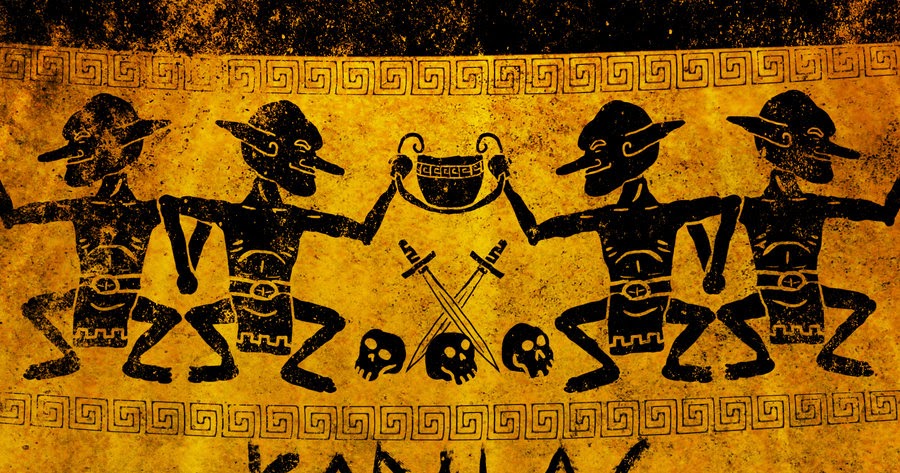
The history can be traced back as far as the Roman Empire, who believed they were secondary gods residing in people’s houses and acting as a sort of protector.
This tradition aligns with that of the Northerners, like the Vikings, who believed goblins to be nature gods, although of lesser importance.

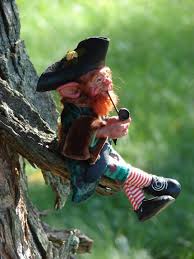
Although the most common and well-known version of the goblin, originates from Ireland and is called a Leprechaun.
Made famous through movies and pop-culture, this being is depicting with green and even red clothes, big-buckled shoes with a hat with wide brims. In truth, they probably do not wear that many clothes.
It goes without saying, goblins are not exclusive Irish property,
The goblin can be found in Spain, Germany, Netherlands and in Latin America countries such as Honduras, Mexico, El Salvador and even as far south as in South Africa.
The term goblin can be quite vague; and in some cases, it can be unclear if a creature would be better described as a goblin, a fairy, sprite, or an elf.
Traditionally the description of a Goblin has been reserved for any ugly fairy that is either mischievous or malevolent. Because of this, the term goblin has been used to describe a wide variety of creatures found in a multitude of traditions throughout the world.
The consensus is normally that it is a small, ugly, and evil magical creature, often with green skin and sharp teeth.
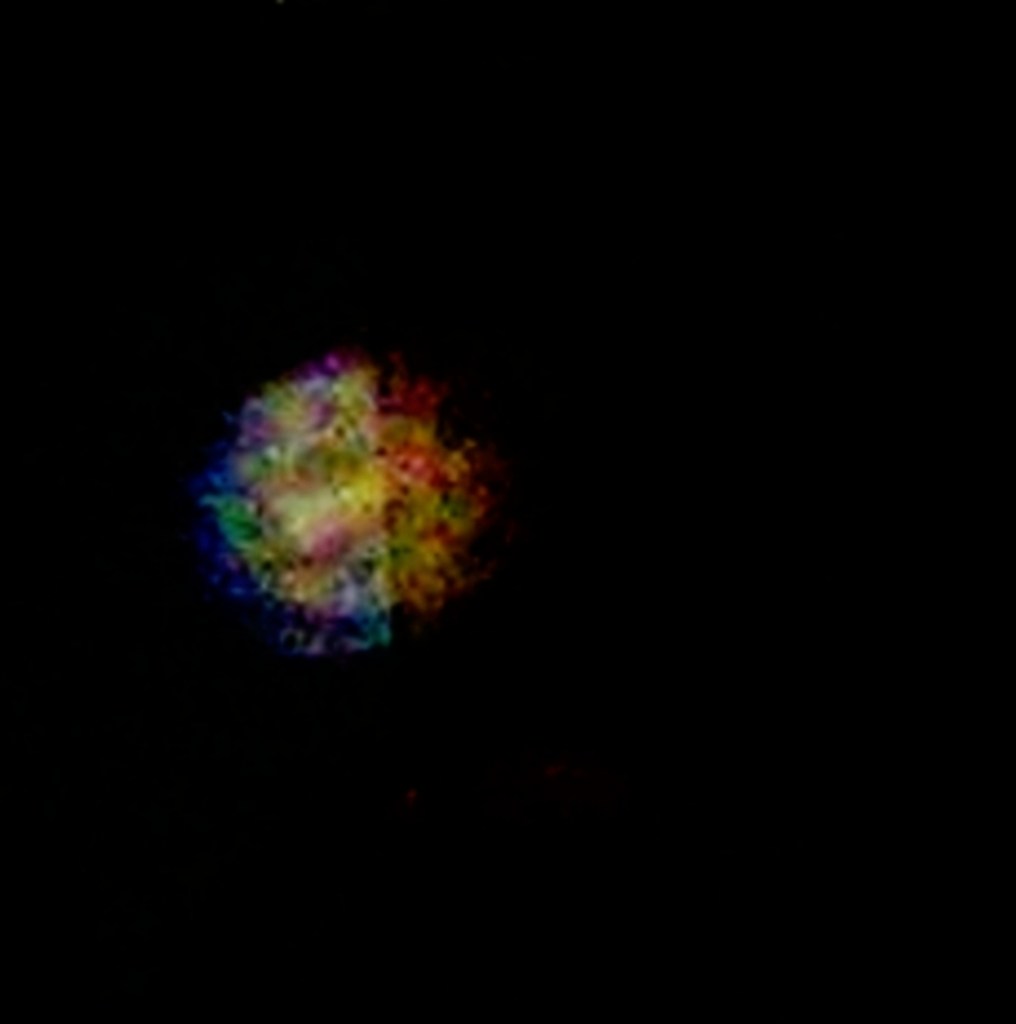
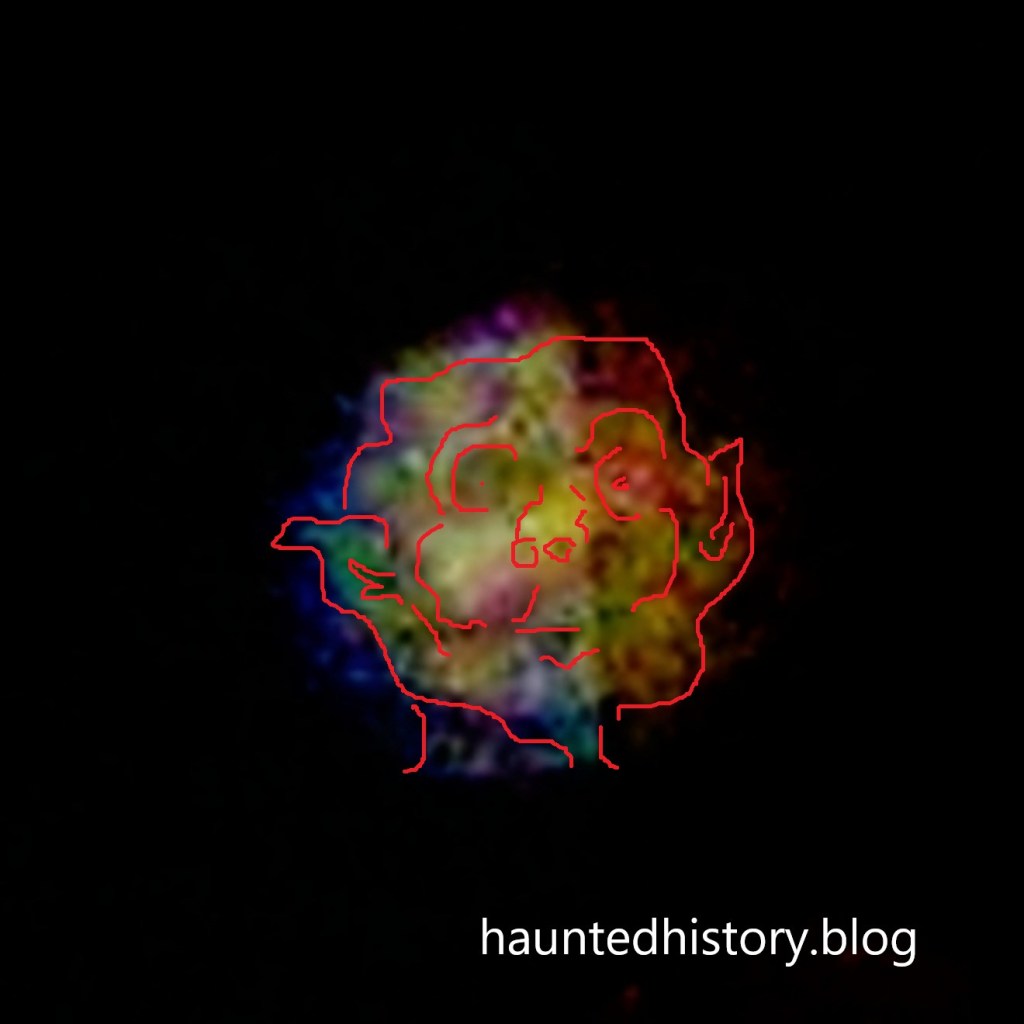
Fathom my surprise when I received a original photo form my friend, of a little green creature, with a round face and pointy ears, looking through their sliding door and this in Saldanha, Western Cape of South Africa.

 Haunted History of South Africa